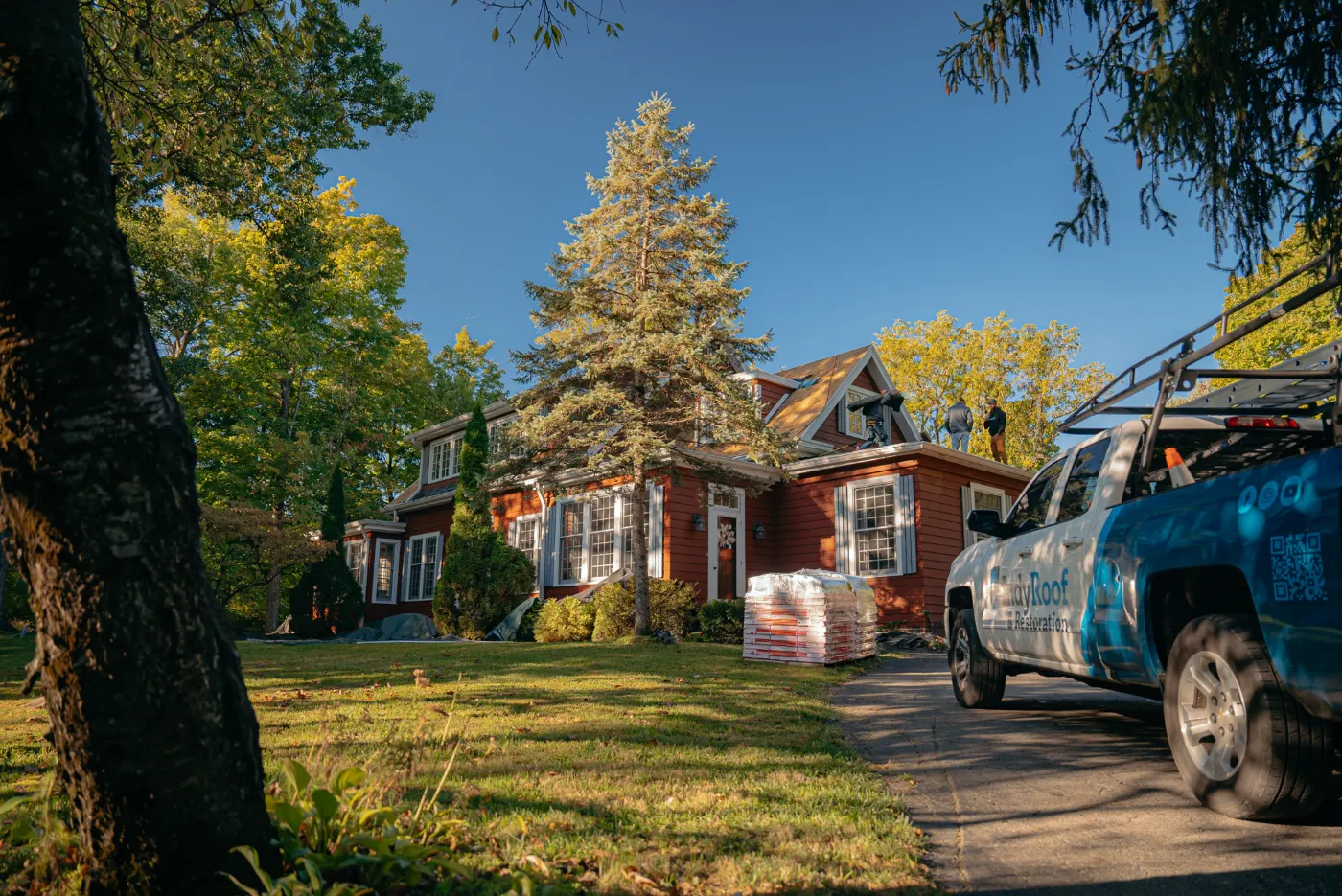
The Roof Repair Your Stonewater House Needs
Stonewater Roofing provides roofing to homes across Stonewater, from quick repairs after a storm to full replacements planned on your timeline. We're licensed and insured in Indiana, our inspections are free, and every estimate comes to you in writing.
If we're busy helping someone else and miss your call, we'll call you back within 15 minutes.




Stonewater Roofing protects Stonewater homes with roofs built for year twenty: ice and water barrier where winters attack, ventilation math included. Call (317) 342-7736.
- Services: roof inspections, roof repair, emergency roof repair, roof replacement
- Service area: Stonewater, Hamilton County, IN and surrounding areas
- Response: Priority response for Stonewater active leaks; photos and scope follow the same visit
- Licensed and insured (License #RC21100059)
- Serving Stonewater, IN since 2018
Schedule Your Free Roof Inspection
A roof inspection on a Stonewater home is a full look at the parts that actually fail. The crew checks shingle condition for hail bruising, cracking, and granule loss, then works through the flashing at chimneys, vents, and sidewalls where leaks usually start. We look at valleys, ridge caps, and any spots the last big wind event may have lifted. Everything gets documented with photos, so you see what we see instead of taking our word for it. The reason we take this much time on Stonewater roofs is straightforward: a lifted shingle or a cracked pipe boot caught now is a repair, and the same problem ignored for a year is often a much larger bill.
I agree to be contacted by Stonewater Roofing regarding my inquiry.
Ice dams are a Stonewater winter tradition with a misunderstood villain. Heat escaping the house melts snow at the roof's middle, the water refreezes at the cold eave, and the growing ridge backs meltwater up under the shingles. The gutters get blamed because that is where the ice shows. The actual cause lives in the Hamilton County attic, in insulation gaps and ventilation nobody has checked since the house was built.
Storm season triage at Stonewater Roofing runs on urgency, not opportunity: active leaks first, exposed decks tarped, then documented assessments street by street. Pricing stays where it was in April, because Stonewater urgency is not a rate card. Hamilton County remembers which companies treated the hail like a harvest, and the company plans to be remembered differently.
Managing rental roofs across Hamilton County? Stonewater Roofing onboards landlords with a portfolio walk: every roof documented, prioritized, and put on a calendar, with one contact for all of it and invoices sized to the work. Call (317) 342-7736. Stonewater portfolio owners who found one straight roofer tend to stop shopping, and the model is built on exactly that.
Payment Options That Work for You
A major roof project is rarely a planned expense. Our lender partners offer terms that fit a range of budgets so you can move forward while insurance settles. Ask Stonewater Roofing for current rates.
Pay for your project at a later time, but lock in today's pricing. Ideal for homeowners waiting on insurance settlements.
- No payments for 12 months
- No interest if paid in full
- Lock in current pricing today
Divide your project cost equally across 12 months with zero interest. Most homeowners choose this option for predictable budgeting.
- Equal monthly payments
- 0% interest for 12 months
- Simple, predictable budgeting
Spread your investment over up to 20 years with fixed equal payments. The right choice for larger projects or homeowners who prefer lower monthly amounts.
- Up to 20-year terms available
- Fixed equal payments
- Ideal for larger projects
Financing provided by Slice, Foundation Finance, Regions. Subject to credit approval. Rates, terms, and promotional periods are set by the lender and disclosed in writing before you sign.
Stonewater roofs, Start to Finish
Inspections, repairs, replacements: Stonewater Roofing covers all of it with manufacturer-certified crews and paperwork that spells out what was done.
Roof Inspections in Stonewater
Free on site roof inspections for Stonewater homes, checking shingles, flashing, and problem areas, with photo documentation of what we find. You get an honest read on the condition of your roof before any repair or replacement conversation.
Learn moreRoof Repair in Stonewater
Targeted roof repair for Stonewater homes dealing with lifted or missing shingles, damaged flashing, pipe boot failures, and localized storm or wear damage. We fix the failing area and check the surrounding roof so the same issue doesn't return next season.
Learn moreEmergency Roof Repair in Stonewater
Emergency roof repair for Stonewater homes with active leaks, storm damage, or exposed decking after wind or hail. We prioritize these calls to stabilize the roof, tarp if needed, and stop further damage before scheduling the full repair.
Learn moreRoof Replacement in Stonewater
Full roof replacement for Stonewater homes at end of life or with damage too widespread to repair. Includes tear off, decking check, underlayment, new shingles or panels, flashing, and a final walkthrough with cleanup.
Learn moreDesigner Roofing in Stonewater
Designer roofing for Stonewater homeowners who want a higher end shingle profile, upgraded color blends, or a distinct architectural look. Same installation standards as our standard replacements, with material options selected to fit the design of your home.
Learn more
Local Expertise, Real Results
Every Stonewater inspection ends with photos, whether the answer is repair, replace, or wait.
Storm season decides reputations in Stonewater. Stonewater Roofing earns its year round: damage mapped slope by slope after hail and wind, documented to the standard adjusters work from, and crews that live here after the adjusters leave.
Stonewater Roofing serves Stonewater homeowners with straightforward roofing work, covering the neighborhood and the surrounding Hamilton County communities. Founder Aaron Christy started the company in 2018 and has been featured on FOX59, WISH TV, and RTV6 for his work across central Indiana. Our crews are local, licensed and insured, and hold Indiana license RC21100059. Whether you're on the older side of Stonewater with a roof that has quietly aged out, or you're newer to the county and dealing with your first hail season, we handle roofs the same way: careful look first, honest answers second. That's the standard we hold ourselves to on every Stonewater home.
The way we work in Stonewater is simple. A crew member walks the roof, checks the shingles, flashing, valleys, and penetrations, and photographs anything that matters, good or bad. You get a written estimate that spells out the scope, the materials, and the price so nothing shows up later as a surprise. When it's time to do the work, we protect landscaping and gutters, keep the site clean, and finish with a walkthrough so you see exactly what changed. No brochure language, no invented awards. Just careful roofing done by people who take pride in the finish.
Our Promise
Every Stonewater homeowner who calls Stonewater Roofing gets three things. First, a free on site inspection before anyone talks about work or price. Second, an honest written estimate with the scope, materials, and cost laid out plainly, no mystery line items. Third, clean workmanship backed by a workmanship warranty on top of the standard manufacturer coverage for the shingles we install. That's the deal, and it doesn't change based on the size of the job.
Why Our Stonewater Flashing Details Matter
Transparent pricing, careful inspections, and materials that last, for homeowners in Stonewater and Hamilton County.
Built For Storm Response
Central Indiana storms don't wait for a convenient week. When hail or straight line wind moves through Stonewater, we prioritize scheduling for homes with active damage so tarps, missing shingles, and lifted flashing get addressed before the next round of weather. You get eyes on the roof quickly and a clear plan in writing.
We Know Stonewater Roofs
Stonewater has a mix of roof ages and shingle profiles, and each one weathers differently. Our crews have walked plenty of them, so we know where wind tends to catch a ridge, where valleys collect debris, and how architectural shingles from a certain era hold up. That local read means fewer surprises during the work.
Inspection Through Cleanup
We handle the whole arc of the job. That means the first inspection, the written estimate, the tear off or repair, and the final walkthrough with cleanup. You aren't juggling three companies to get one roof handled, and there's a single point of accountability from the first phone call through the last nail sweep.
Insurance Documentation Done Right
If a storm hit your Stonewater home, the photos and notes we take on the inspection are organized for a claim, not just for us. We document the damage clearly so your adjuster has what they need, and we walk you through the process. You still work with your carrier, but you aren't doing the paperwork alone.
Real Jobs. Real Results.
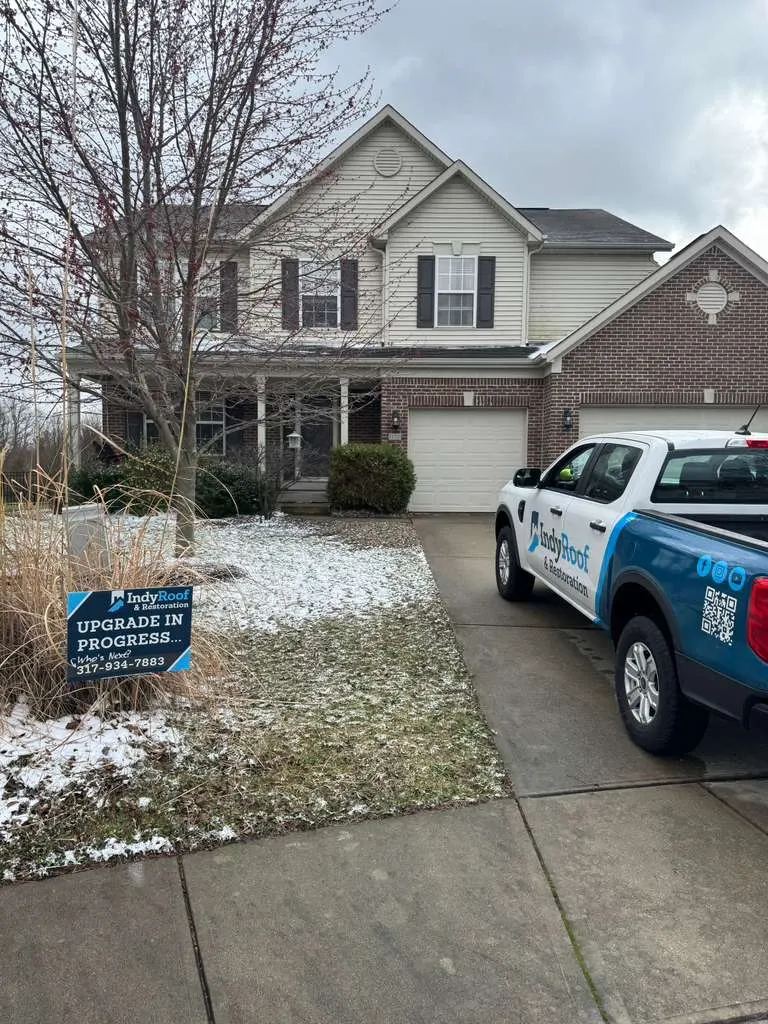
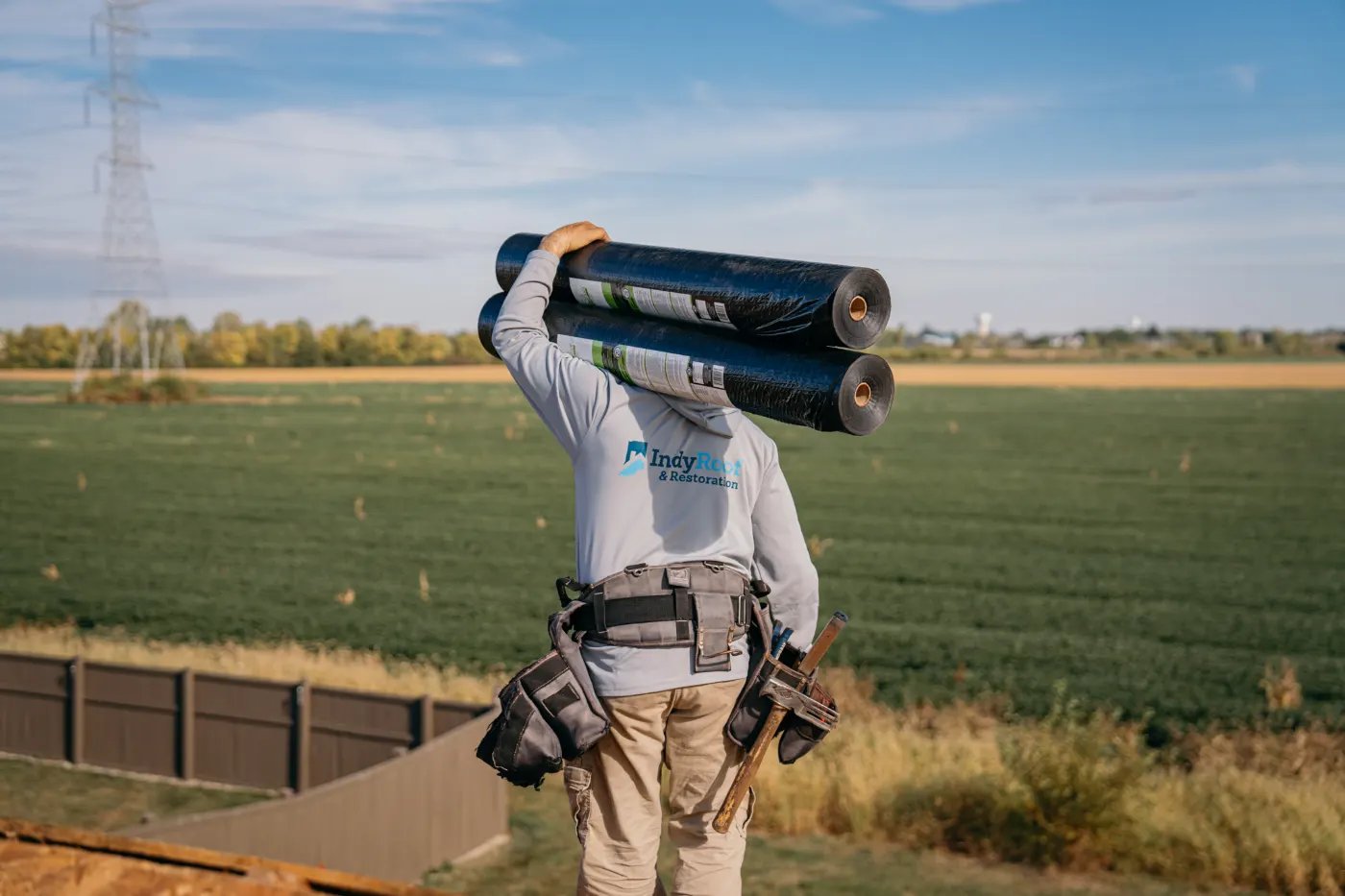
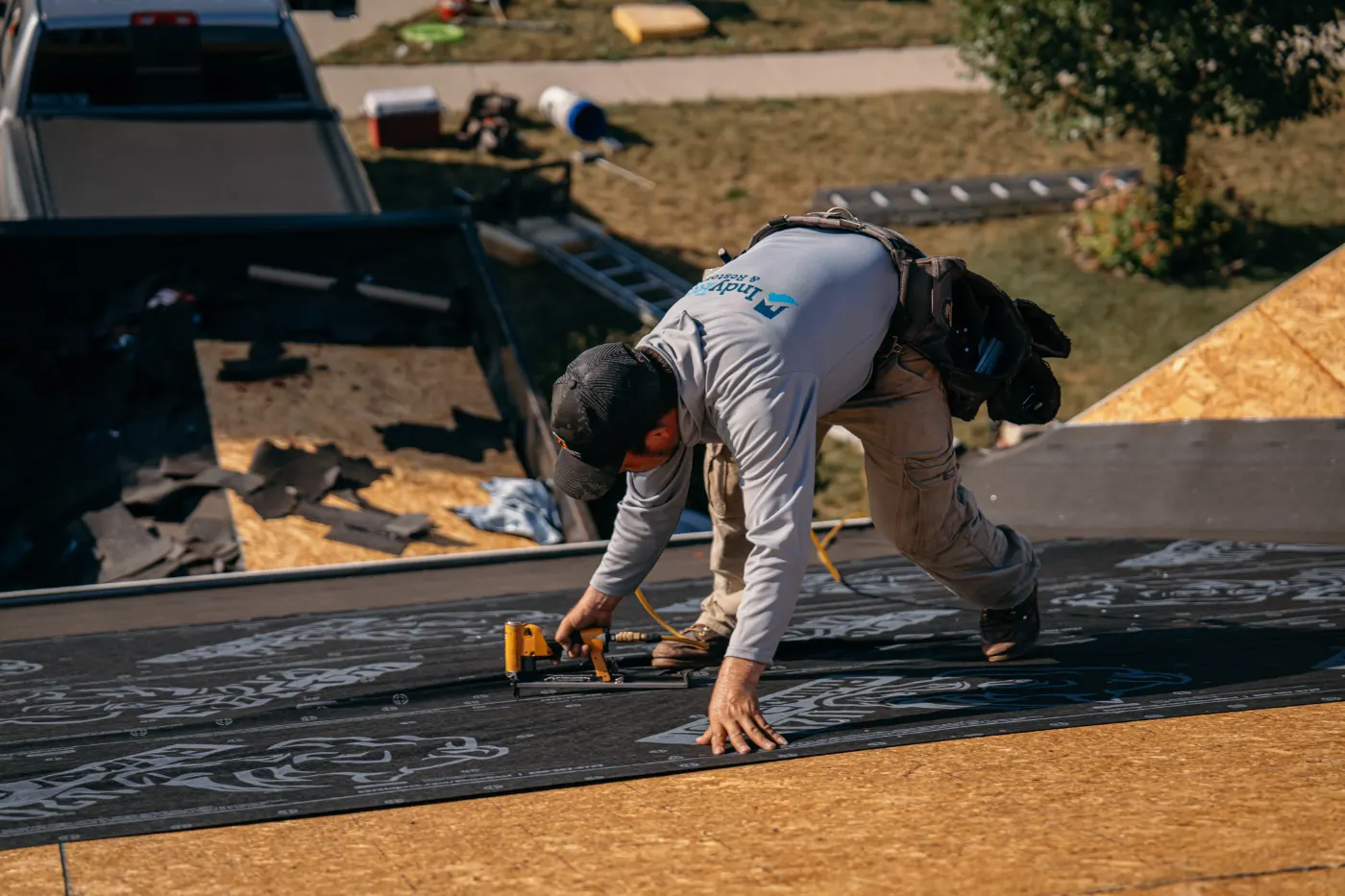
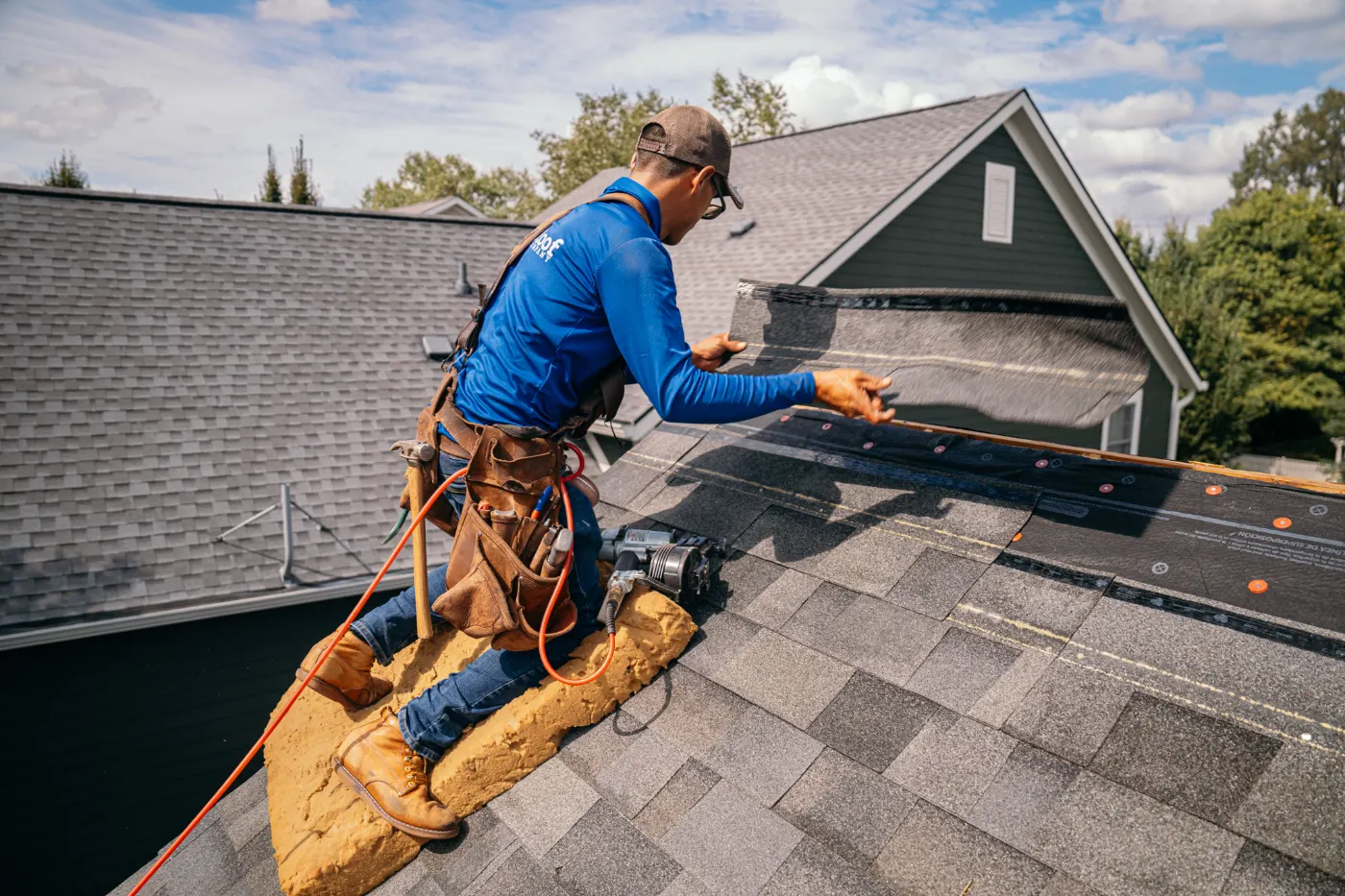
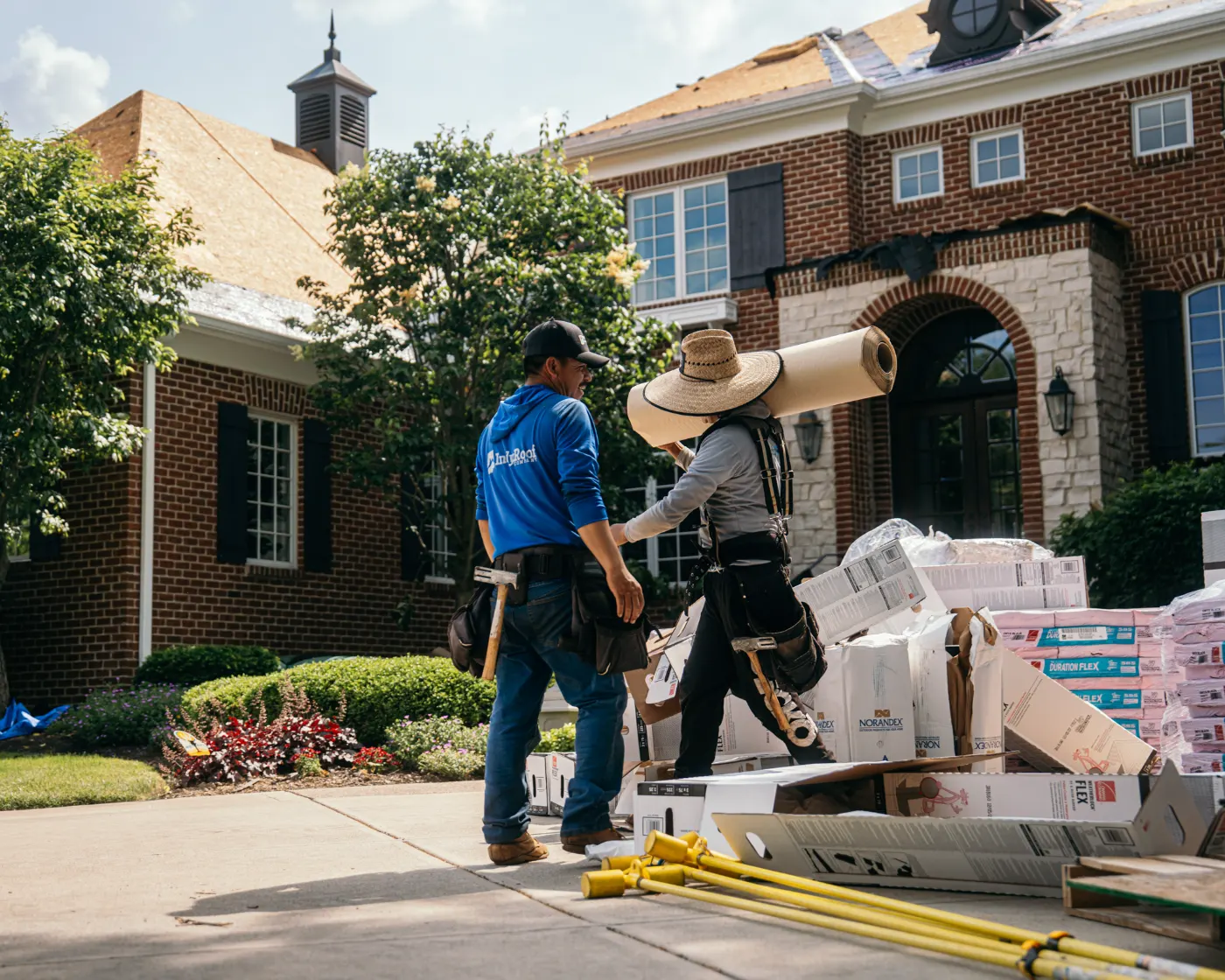
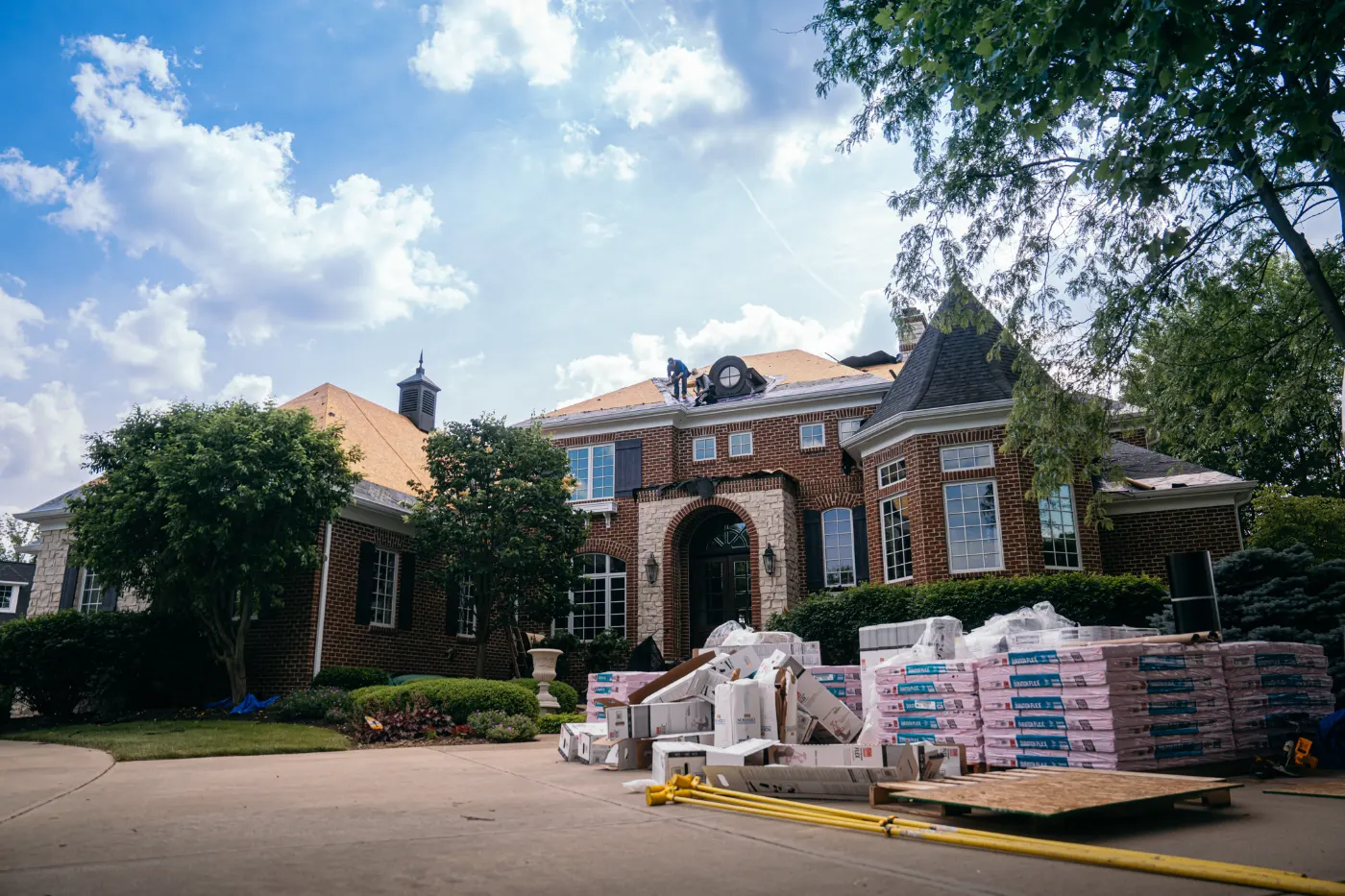
Photos from recent roofing projects completed by our manufacturer-certified crew across Stonewater and Hamilton County. Every project is documented with photos and a written closeout package.
How We Handle Decking and Underlayment
It starts with a walk on the roof. A crew member comes out to your Stonewater home, gets on the roof if it's safe, and documents the condition of the shingles, flashing, penetrations, and gutters. We note storm damage, age related wear, and anything that looks like it will fail soon. Photos come back down with us, and we go through them with you so you understand the actual state of your roof before we ever talk about scope. No pressure, no sales pitch, just what's there.
Next comes the written estimate. You get scope, materials, and price on paper for the roofing work your Stonewater home actually needs, not a padded number. If there's a storm damage claim in play, we organize the photos and notes so your insurance carrier and adjuster have clean documentation to review. We don't works with your insurance carrier, and we don't name policies we can't back up. What we do is make sure the damage is documented properly so the claim conversation is grounded in facts.
Then comes the work. We schedule around your calendar, show up when we said we would, and protect landscaping, siding, and gutters before tear off starts. The crew installs the new roof or completes the repair to spec, keeps the jobsite tidy through the day, and runs a magnet through the yard when it's done. A final walkthrough on the Stonewater property closes it out, so you see the finished roof, the flashing details, and confirm the site is clean before we leave.
Free on site Inspection
A crew member gets on your roof, checks the shingles, flashing, and problem areas, and photographs everything. You see the images and get an honest read on whether you're looking at repair, replacement, or simply monitoring. No cost, no obligation.
Written Estimate, Plain English
Every Stonewater estimate we hand over is written, itemized, and clear. Scope, materials, and price are spelled out so you can compare apples to apples. If something changes mid job, we talk to you before we do it, not after.
Insurance Documentation
When storm damage is in play, we document the roof condition with organized photos and notes for your claim. You work directly with your insurance carrier and pay your deductible, and we make sure the damage is presented clearly. We don't works with your insurance carrier.
Clean Work, Final Walkthrough
The crew protects the property before tear off, keeps the site tidy through the day, and sweeps for nails at the end. When the roof is finished, we walk it with you, point out the flashing and ridge details, and don't leave until you're satisfied with the result.
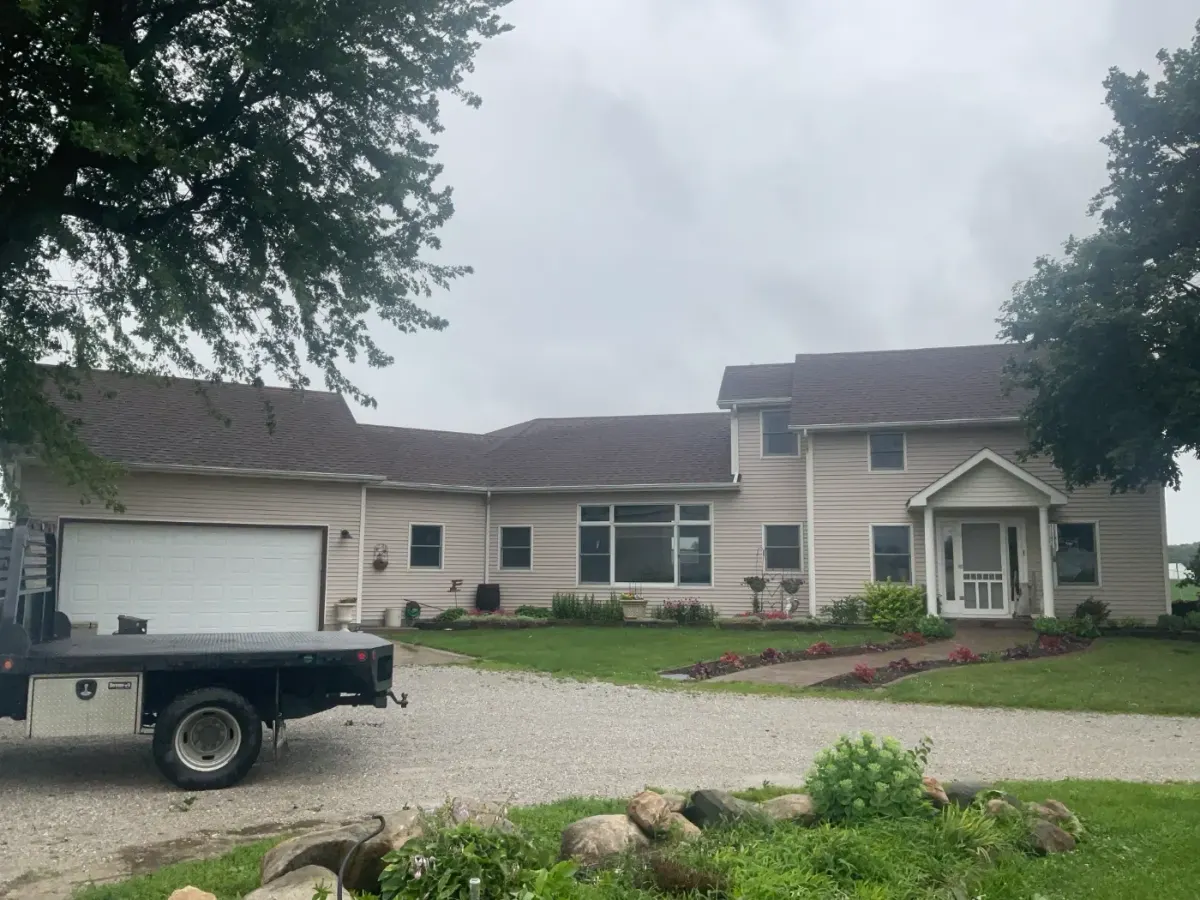
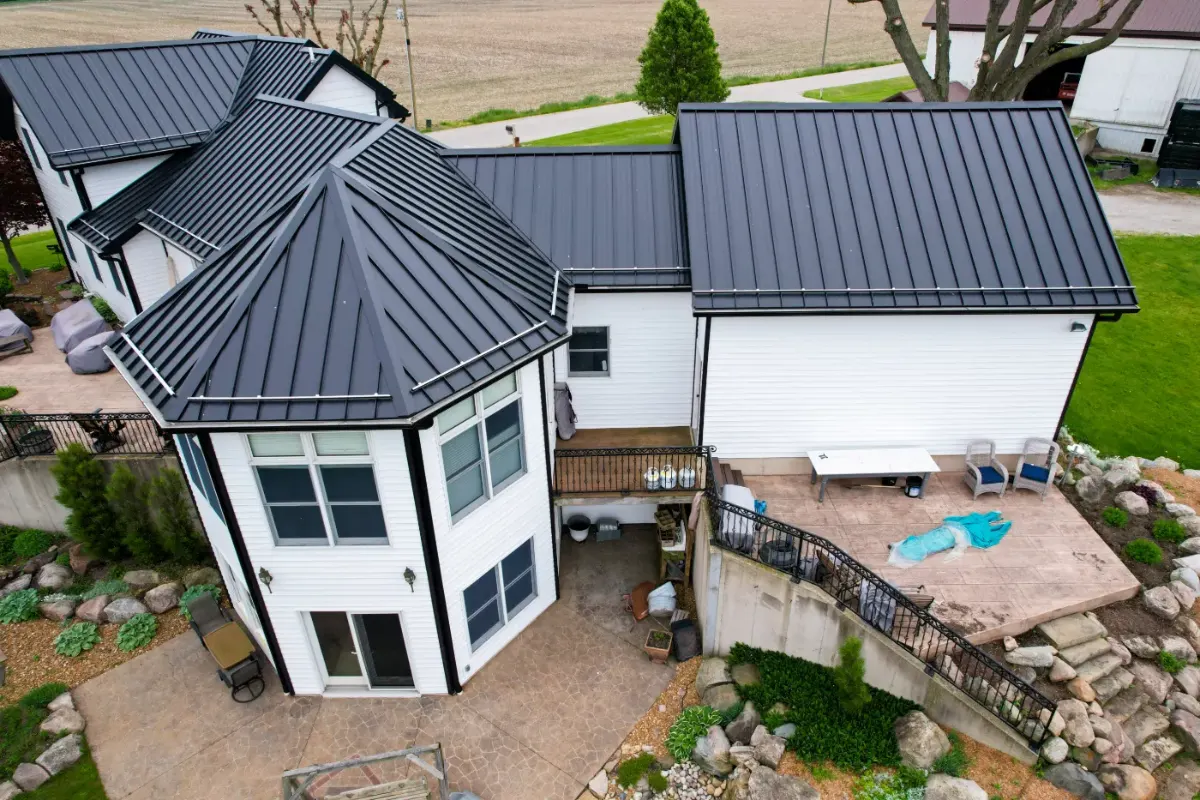
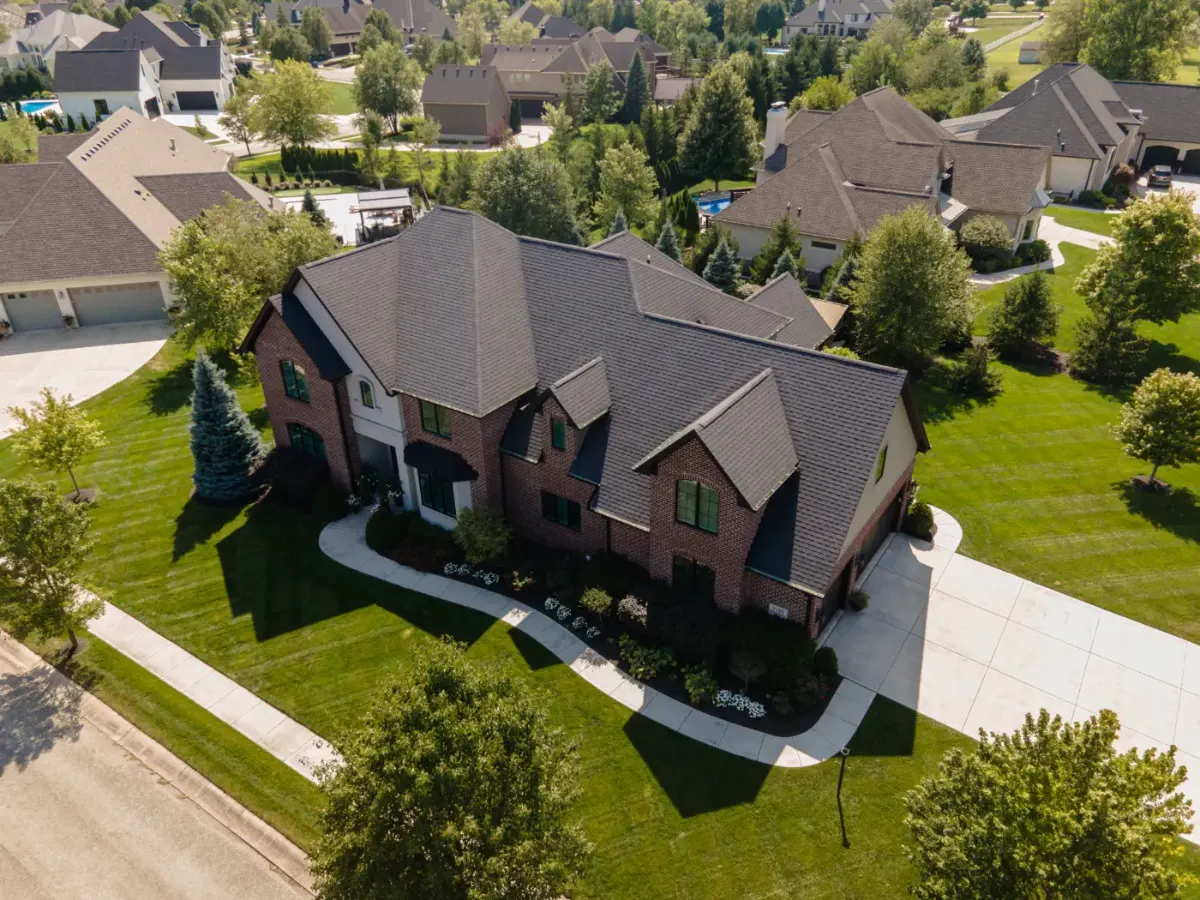
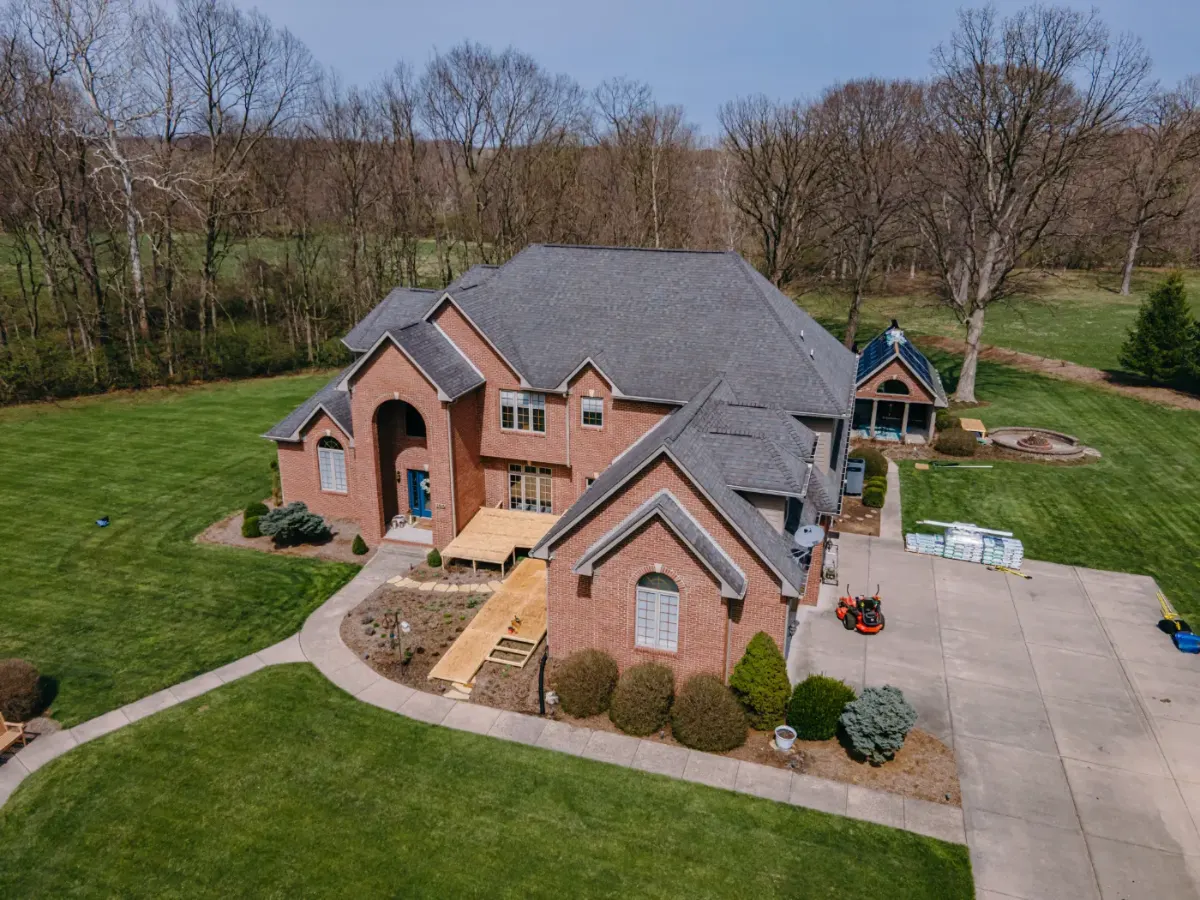
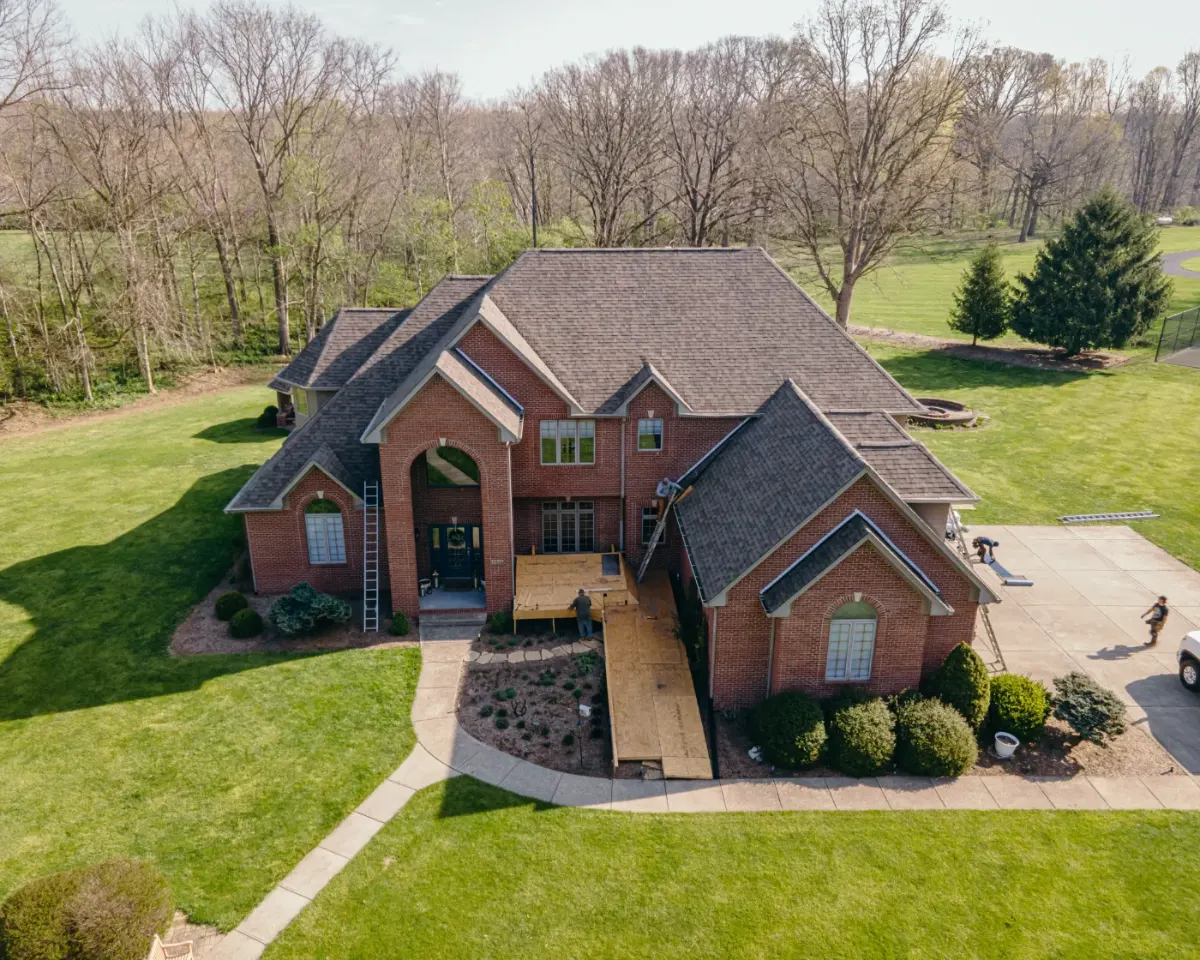
Recent Stonewater Roofing Projects
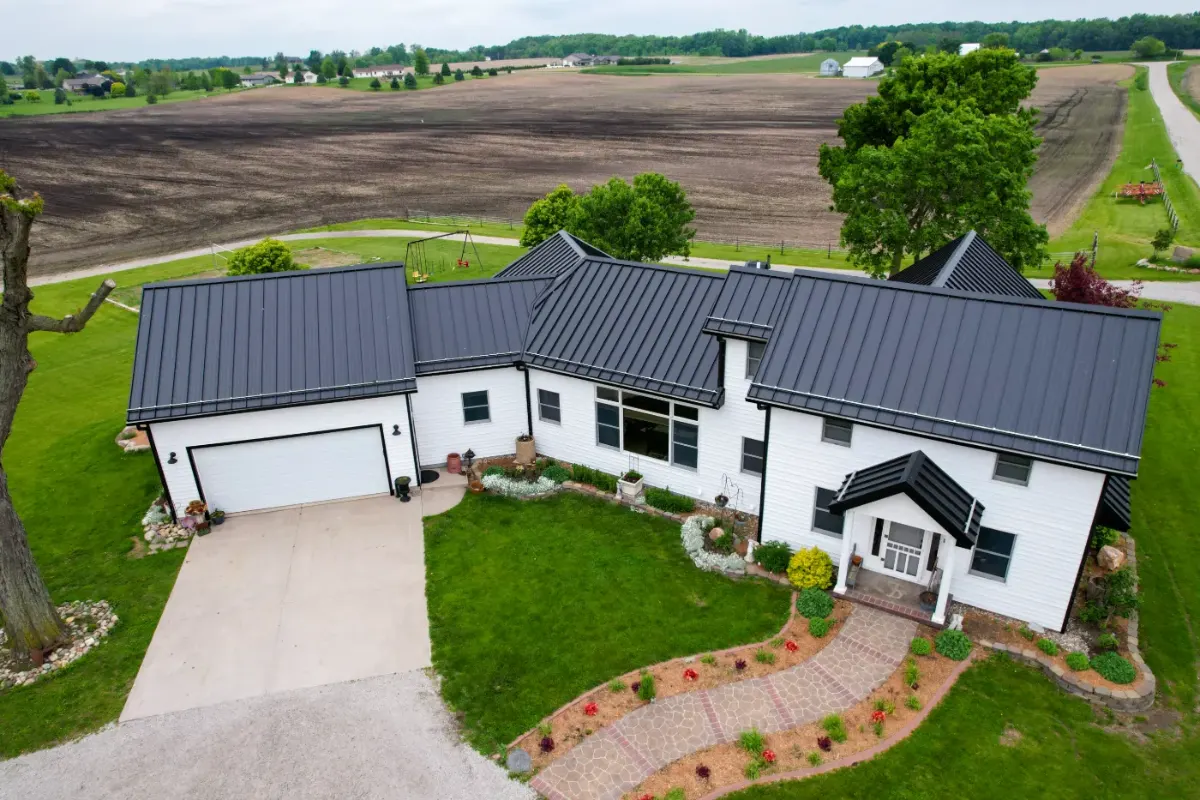
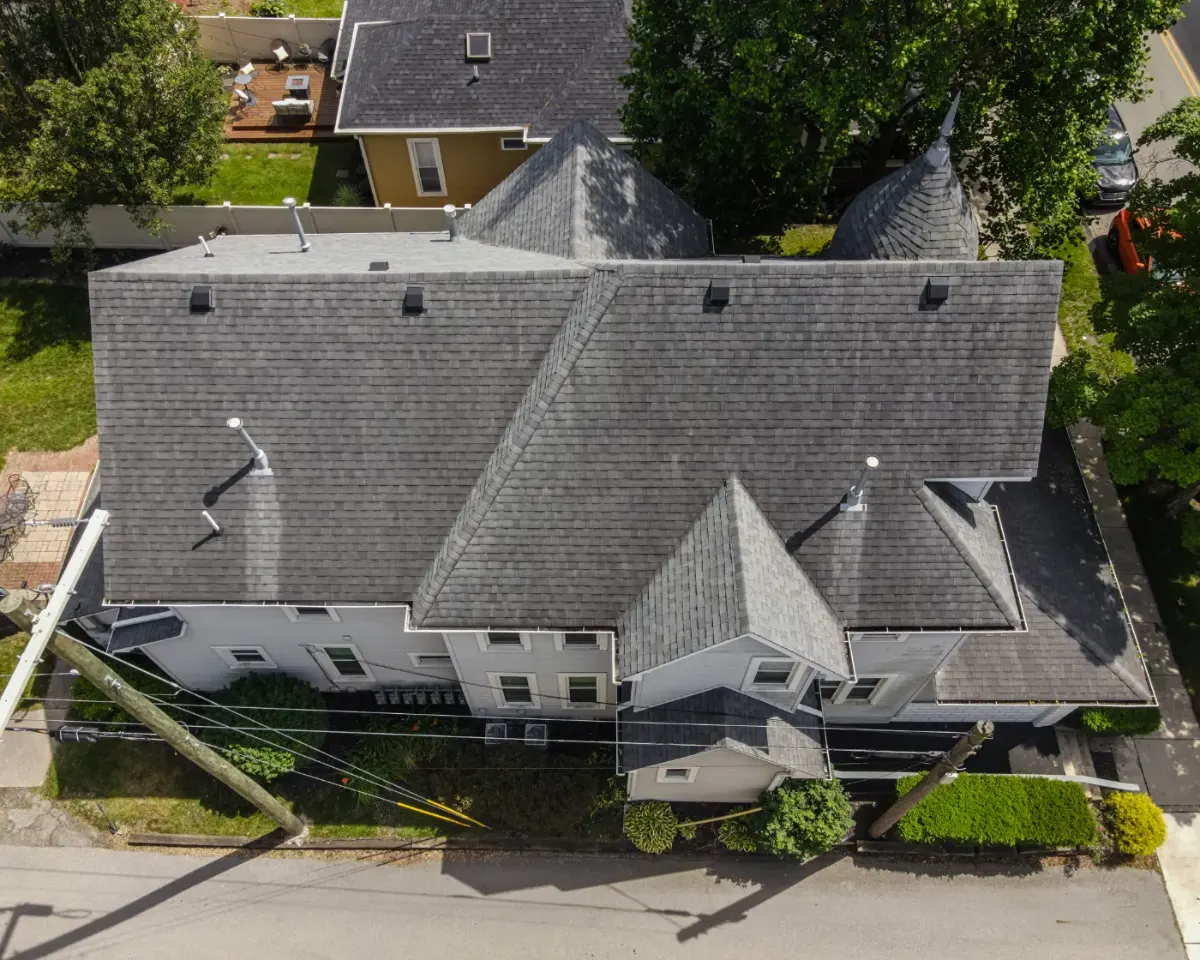
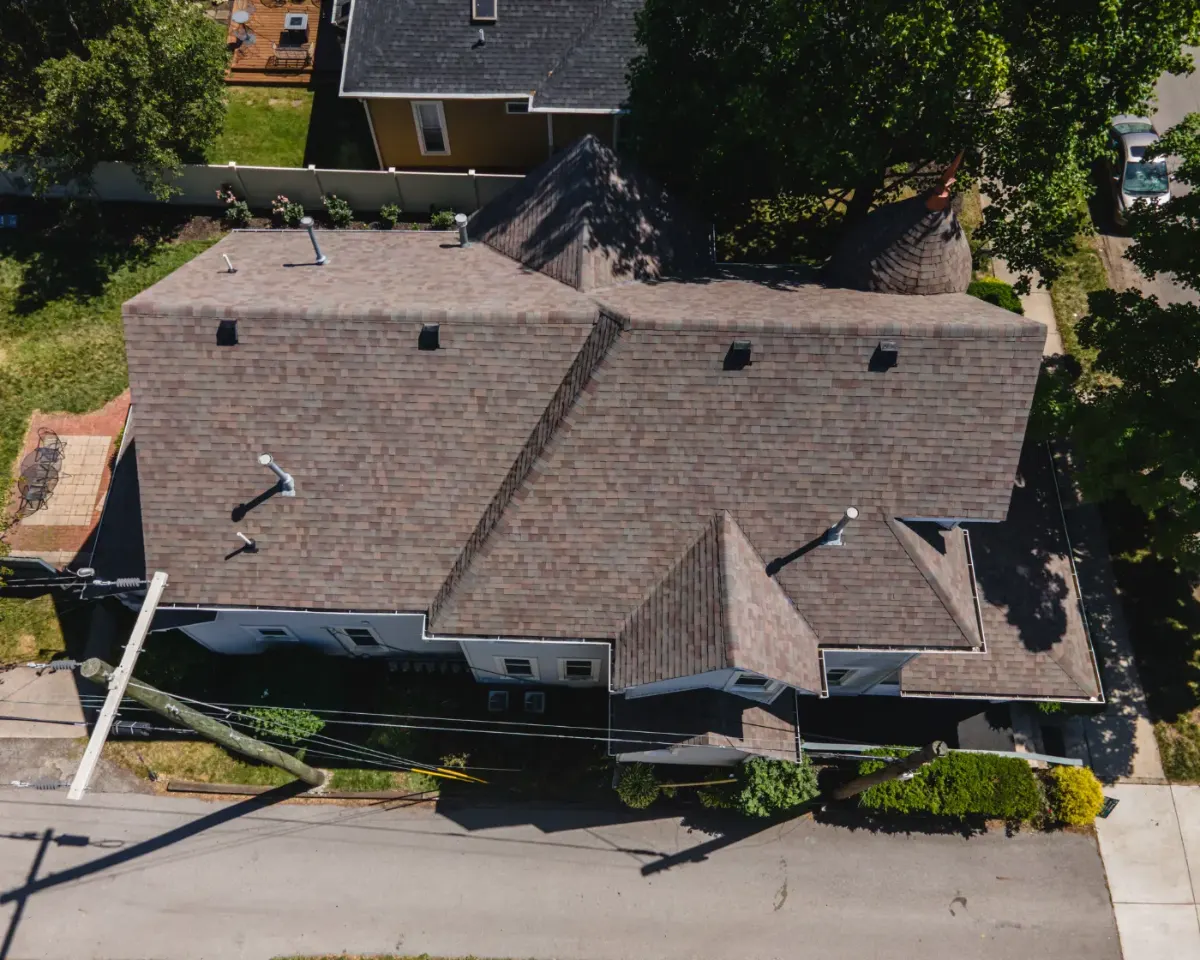
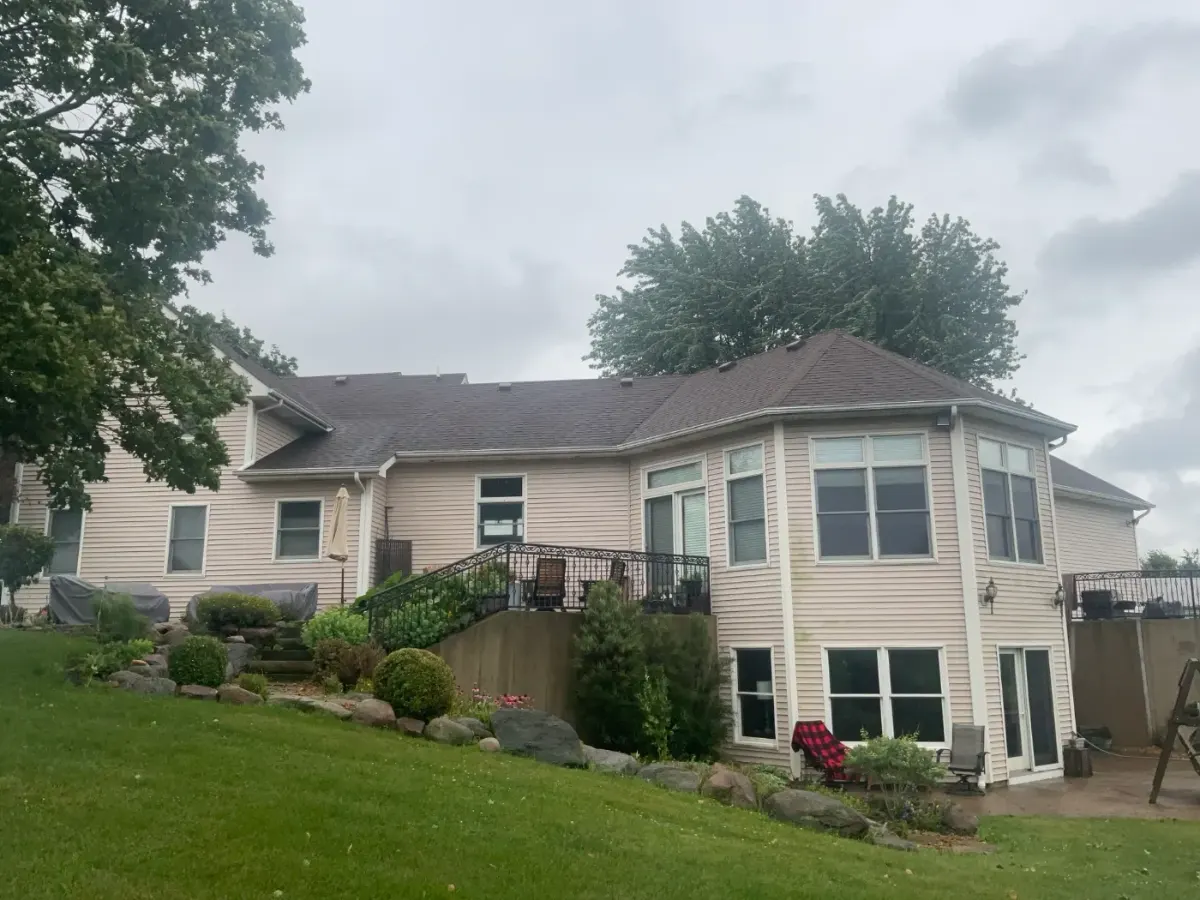
5 before-and-after projects documented for the homeowner and the homeowners insurance carrier.

What we see most often on Stonewater roofs
Stonewater homeowners typically call us about these scenarios.
Two Layers of Shingles on the Roof
A second layer laid over the first hides the decking, adds weight, and runs hotter than a single layer, which shortens both. Stonewater homes that were reroofed this way in the past need a full tear off next time. Stonewater Roofing tells you how many layers are up there during the free inspection so the number is not a surprise inside the quote.
Gutters Pulling Away From the Fascia
When gutters sag in Stonewater, the usual cause is not the gutter. It is fascia board that has softened because water has been running behind it. Stonewater Roofing checks the fascia and the drip edge before quoting gutter work, because rehanging a gutter on rotten wood buys you one season.
Debris Packing Into the Valleys
Valleys carry runoff from two slopes at once, so anything that slows the water there matters. Leaves and needles pack in over a Stonewater winter, washed-down granules cement the pile together, and the backed-up water works sideways under the shingle laps until it finds the deck. Stonewater Roofing clears the valleys during the inspection and tells you whether the metal underneath is worn through or just dirty.
Ridge Cap Shingles Lifting or Missing
The ridge takes the most wind exposure on the roof and the caps there are the first thing a Stonewater storm finds. A missing cap leaves the ridge vent and the field seam open to weather. Stonewater Roofing replaces caps to match and checks the vent underneath, because the opening below a lost cap is the part that actually leaks.
Granules Filling the Gutters
Heavy granule loss in Stonewater gutters means the shingle mat is losing its UV protection, the last stage before brittleness and cracking. Some shedding is normal on a new roof; steady accumulation on a 15 year roof is a countdown. Stonewater Roofing gives you a straight read on remaining life instead of an automatic replacement pitch.
Ice and Water Shield That Stops Too Short
Where an ice barrier goes on it runs from the eave to at least 24 inches inside the exterior wall line, and plenty of older Stonewater roofs got a strip at the edge and nothing more. The result shows up as a winter leak that disappears every spring. Stonewater Roofing checks coverage during tear off and brings it to what the shingle manufacturer's instructions call for rather than matching what was there.
Three Simple Steps
From free inspection to project completion, we follow a disciplined process on every Stonewater roofing project.
Free Inspection
The roof gets reviewed, conditions get photographed, and the findings come back to you in plain, practical language. You pick the time the inspection happens.
Transparent Estimate
A written outline detailing the recommended work and how each item benefits your property. No pressure. We explain options at a comfortable pace.
Quality Installation
Crews who work attentively, follow consistent timelines, and respect your property. Manufacturer warranty registration handled in your name.
Stonewater on Our Flashing Work
4.9 stars across 2,307+ Google reviews.
"Roof inspection for our home sale. The report was detailed enough that buyers accepted it as part of due diligence without ordering their own. Saved us about a week of closing time."
"Inspected our home before purchase. Caught two items we used in negotiation that saved us more than the inspection took to schedule. Plus the report gave us confidence the roof had real life left."
"Quick repair on storm damage that got us through hail season. They recommended a full inspection in spring which we have scheduled. No upsell on the immediate repair."
"Emergency response at 9pm during a major thunderstorm. They dispatched within 2 hours, tarped the active leak area, and saved our ceiling. Permanent repair scheduled the following week. Worth every minute of the emergency call."
Common Stonewater Roofing Questions
Straight answers to the questions Stonewater homeowners ask most.
Indiana Weather Affects Roofs Year Round
Roof work in Stonewater has to account for a full range of weather, since Indiana gets more variety than most of the country. Hail and severe thunderstorms arrive in spring, summer adds UV exposure, fall carries wind storms, and freeze thaw cycles run through winter. That's what shapes our maintenance, repair, and replacement planning.
Hail Bruising And Cracking
Hail sweeps through central Indiana most springs, and Stonewater sits right in that path. Impact leaves bruises that crack the shingle mat and knock granules loose, which shortens the roof's life even when it doesn't leak right away. When we're called in, we document each hit with photos and measure the damage across the slopes so you have a clear record for a claim.
Wind Lifting Shingles
Straight line wind events can lift and tear shingles along ridges, hips, and edges, breaking the seal strips underneath. Once that seal is broken, the next storm drives water under the courses even if the shingle looks fine from the ground. Our crews check every edge and reseal, replace, or rebuild the affected area depending on what we find.
Ice Dams In Winter
Freeze thaw cycles in Stonewater winters can build ice at the eaves, and water then backs up under the shingles looking for a way in. Interior stains near exterior walls are the usual first sign. We look at ventilation, insulation clues, and the roof edge together, then repair the shingles, flashing, or underlayment that failed under the ice.
Granule Loss On Aging Roofs
On older Stonewater roofs, the tell is usually granules collecting in the gutters and shiny spots on the shingles. That's the asphalt underneath losing its UV protection, and it accelerates the closer the roof gets to end of life. We measure the wear across the whole roof, not one slope, so the recommendation matches what's actually happening up there.
Choosing the Right Roof for Stonewater Homes
An honest breakdown of the three systems we install most frequently.
Architectural asphalt is the most common choice on Stonewater roofs, and there's a good reason for that. You get a solid balance of upfront cost, curb appeal, and dependable performance against central Indiana wind and hail, with color ranges wide enough to match nearly any exterior. The shingles carry strong manufacturer warranties from the major producers, and the layered profile gives the roof more visual depth than the old three tab look. For a homeowner who wants a proven, no drama roof that performs well and looks right on the street, architectural asphalt is usually the answer. We'll walk you through the color options during the estimate.
Impact resistant Class 4 shingles are built to take hail that would bruise or crack a standard asphalt roof. In Stonewater, where spring storms roll through Hamilton County most years, that extra durability matters, and homeowners often see longer granule life and fewer repair calls between full replacements. Ask your insurance carrier whether your policy offers a premium credit for Class 4 shingles, because some do and some don't, and we won't promise a discount we can't verify for your policy. If you've been through a hail claim before, this is the tier worth a serious look during your estimate.
Standing seam metal is the longest lived roof of the three, often measured in decades rather than years. The concealed fasteners keep the panels sealed against wind driven rain, snow and ice tend to shed rather than pile, and once it's installed the upkeep is minimal. The tradeoff is honest: the upfront cost is higher than asphalt, sometimes considerably. What you're buying is a roof you likely won't think about again for a very long time, and for a Stonewater homeowner planning to stay put, that math often works. We'll show you the panel profiles and finishes during the estimate.
Where we respond near Stonewater
Indiana-licensed crews dispatched to Stonewater and the closest surrounding communities.
Roofing Systems Compared in Stonewater
Pricing below tracks typical installations in Stonewater, covering the four residential systems we install more than any others.
A plus sign on the upper end of any range means your project might land above the listed maximum once the inspection tells us more. The numbers are typical for the Stonewater market as of 2026. A written scope and quote costs nothing.
Stonewater Roofing is powered by Indy Roof & Restoration
The company behind that name carries the whole job: estimates, crews, paperwork, and warranty. The team has covered central Indiana since 2018: the same subdivisions, the same weather, year after year. 2,307+ verified Google reviews at 4.9 stars: that is not a claim, it is a public record you can read tonight.
Licensed and insured · License #RC21100059
On the wall: Owens Corning Preferred Contractor, Malarkey Certified Contractor, BBB A+ Accredited and Google Google Guaranteed. The company has been featured on FOX59, WISH TV, and RTV6.
What We Do Around Stonewater
Roof Inspections
Late winter is a quiet time to have a roof looked at in Stonewater, and it is usually the smartest one. Freeze and thaw work at the edges all season, lifting shingles and opening gaps around flashing that nobody notices until the first warm rain. Getting ahead of that keeps small fixes small.
Spring is busy for every roofer, so scheduling early tends to mean a faster visit and a calmer conversation. Wait until the storm calls start and you are standing in line behind everyone whose ceiling is already dripping.
Roof Inspections in Stonewater ›Roof Repair
Call for a repair in Stonewater when something is clearly wrong but the roof as a whole still looks sound. A stain that keeps growing. A few shingles gone after a storm.
Water at the chimney every time rain blows from one direction. Those are repair problems, not replacement problems, and treating them early keeps them that way. Wood stays dry, insulation stays useful, and the ceiling stays a ceiling.
Waiting is how a repair turns into a project. If you aren't sure which side of that line you are on, we will look and tell you straight.
Roof Repair in Stonewater ›Emergency Roof Repair
When a crew arrives on an urgent call, the first job is finding the opening, which is not always where the water shows up. We look for the obvious: missing sections, a hole from a branch, flashing peeled away at a wall. Then we trace back from the interior damage.
Once the source is identified, it gets covered and secured so the next rain cannot undo the work. We check the attic side as well, because wet insulation and stained rafters tell us how long water has been entering your Stonewater home.
Emergency Roof Repair in Stonewater ›Roof Replacement
The quote for a Stonewater roof replacement should read like a plan, not a slogan. Ours lists the tear off, the underlayment, the ice and water protection at vulnerable areas, the flashing, the vents, the ridge, the disposal and the cleanup. It states what happens if we find bad decking and what that costs per board, so the number cannot move without your say so.
Warranty terms appear in ordinary words. You should be able to hand it to another roofer and compare line for line. If a competing bid is thinner, that gap is usually where the surprises live.
Roof Replacement in Stonewater ›Designer Roofing
Timing matters more with these shingles than with standard ones. They are thicker and stiffer, so cold weather makes them harder to handle and slower to seal down. Late spring through early fall is the comfortable window in Stonewater, when temperatures let the sealant strips bond the way they should.
Color selection goes better in that window too, since you can look at samples in real daylight rather than under a gray sky. If you are planning ahead instead of reacting to a leak, aim for the warm months. Bring the samples inside as well, since the color looks different under a porch roof.
Designer Roofing in Stonewater ›The Attic Half of a Roof Inspection
Half of what we learn about a roof, we learn from underneath it. The shingles tell you how the surface has weathered. The attic tells you why, and it is the part most inspections skip because it takes time and nobody enjoys crawling through insulation on a warm afternoon.
With a light, we look at the underside of the sheathing for dark staining, which maps out where moisture has been sitting even when there's no active drip. Rusted nail tips point to condensation rather than a leak, and the difference matters enormously, because a condensation problem will ruin a new roof just as surely as it ruined the old one.
We check whether insulation has been packed into the eaves and choked off the intake, whether baffles exist at all, and where the bath and kitchen fans actually terminate. A fan dumping into the attic is one of the most common things we find and one of the cheapest to correct.
We also read the framing. Sagging between rafters, previous repairs, added weight from a second layer of covering, or a spot where somebody set a foot through and patched it from above. Any of that changes the scope, and it's far better known before you sign than discovered on tear-off day.
If your house has no attic access, or the ceilings are finished right up to the deck, we say so and adjust. In that case a moisture reading from below, a careful look at the soffit and ridge from outside, and a closer study of how the surface has aged carry more weight.
It is a slightly less complete picture, and we'll tell you it's less complete instead of pretending otherwise. Where the attic is only partly reachable, we get as far in as we safely can and note which sections of the deck we were able to see and which we were not, so the report reflects what was actually looked at.
Ask About the Last Day on Your Stonewater Roof
Homeowners tend to ask about materials and price and forget to ask about the part they'll actually experience, which is what your property looks like when the trucks pull away. Start with where the debris goes during tear-off.
Tarps on the ground and against the walls, plywood over anything fragile, and a dumpster or trailer positioned so the driveway does not take the hit. Ask what protects the landscaping along the drip line, since that is where most of the old roof lands.
Then ask about nails, because that's the complaint we hear most often about other people's work. A tear-off releases thousands of fasteners, and gravity puts a fair number of them in your yard.
The answer you want involves a rolling magnet run across the drive, the walkways and the perimeter at the end of every day instead of once when the whole job is finished, plus a pass over the lawn where children and pets go. Ask what happens if you find one afterward, and listen for whether somebody comes back without an argument.
Gutters deserve their own question. They collect granules, nail shanks and shingle fragments during a tear-off, and a crew in a hurry will leave all of it sitting there to plug your downspouts by fall.
Ask whether they're cleared before the crew leaves. Ask the same about the roof of a lower porch, a deck or a screened enclosure, which are easy to overlook and easy to damage.
Finally, ask whether somebody walks the job with you at the end. Not a text message saying it's finished, but a person on site while you look at the ridge line, the flashing at the walls, the cut of the valleys and the state of the yard.
That walk is where small things get fixed in ten minutes instead of turning into phone calls. If a company doesn't do one, ask why, because it costs them almost nothing and tells you what they think happens after the check clears.
Permits and Inspections Around Stonewater
Whether a reroof needs a permit depends on where you live, and in this part of the state the answer varies from one town to the next. Some jurisdictions want a permit for any tear-off and send an inspector out. Others only care if the structure is being altered.
Some subdivisions add their own layer through a neighborhood association with rules about color or material. A contractor who works in your area regularly will know which applies to your address, and if they do not know, that's worth noticing.
Where a permit is required, it should appear on the estimate as a line item, with a clear statement of who pulls it. It should be the contractor, in the contractor's name, not a homeowner permit that you sign for. A homeowner permit shifts responsibility for the work to you, which is a bad arrangement when you're not the one doing it, and it's sometimes suggested by companies that would rather not be on the record.
The inspection itself is usually straightforward. The inspector may want to see the deck before the new material goes on, which affects scheduling, or may only look at the finished job.
Either way the work has to meet the local code, which around here typically includes an ice membrane along the overhangs and up through every valley, a minimum number of fasteners per shingle, and rules about how many layers a house may carry. Those requirements exist for reasons the winters here make obvious.
There's a practical side to all of this beyond following rules. When you sell the house, an inspector or a buyer's agent may look for a record of the roof, and a permitted job with a closed inspection answers the question cleanly.
An unpermitted one invites a conversation you don't want to be having during a sale. It's a small line on the estimate and a small amount of paperwork, and it is worth having done properly.
Decking and Layers Under Stonewater Roofs
What sits under the shingles decides more about a reroof than the shingles themselves do. The first question is how many layers are up there.
A single layer over sound decking keeps things straightforward. A second layer changes the whole job, because tearing off two courses takes noticeably longer, the disposal load roughly doubles, and until the last of it is off nobody can say with certainty what the wood beneath looks like.
Decking around here comes in two forms, and each ages in its own way. Older homes tend to have solid boards run across the rafters with small gaps left between them.
Those gaps widen as the boards dry, and where they get wide enough a fastener has nothing to bite into. Sheet decking on newer houses grips much better but suffers wherever water has been sitting, typically along the eaves and in the valleys, and it can look sound from below while the top surface has already started coming apart in layers.
Since none of that is fully visible until tear-off, an honest estimate carries a decking allowance. Ours names a rate per sheet or board replaced and a set quantity included before anything extra applies, so there's nothing to argue about on the day. If we open the roof and find more soft wood than expected, you see the photographs before a single new sheet goes down, and you approve the change in writing.
Layers matter for what your town will permit as well. Many communities in central Indiana cap how many coverings a house may carry, and an inspector who finds too many can turn a finished job into a problem after the fact.
So when we quote a tear-off, that's exactly what the word means. Everything comes off down to the wood, the deck gets walked and refastened, bad boards get swapped, and the whole thing is dried in before the crew leaves for the day.
Spring Storms and the Stonewater Claim Window
Hail season here runs through the spring and into early summer, and it is unpredictable in a way that surprises people. A storm can drop damaging stones over a few streets and leave the next neighborhood untouched.
Size isn't the whole story either. Small stones driven by a hard wind can do more to a roof than larger ones falling straight down, and roofs on the side of the house facing the storm take the brunt while the opposite slope shows almost nothing.
The damage itself is easy to miss from the ground. What we look for is bruising, a soft spot where the impact knocked the granules loose and fractured the mat underneath, which you feel with a thumb more than you see.
Soft metals give it away faster. Dents in vent caps, gutters and any exposed flashing tell us stones of a certain size actually hit the house, which matters more than what anybody remembers hearing that night.
Timing is the part homeowners get wrong. Most policies expect a claim to be reported within a reasonable period after the storm, and the further you get from the date, the harder it becomes to connect the damage to a particular event.
Waiting until a leak shows up can put you outside that window entirely. So after a storm that had you looking out the window, it's worth having somebody go up and document the condition even if nothing is dripping.
What we will not do is decide for you. Not every hit is worth filing on, especially if the damage is limited and cosmetic, and there's a real cost to opening a claim you did not need.
Our part is an honest look, clear photographs by slope, and a straight answer about whether what we found rises to the level of storm damage or is simply a roof that has been out in the weather for a long time. You take that to your carrier and make your own decision.
Straight Answers for Stonewater
Expert Stonewater Roofing Crews Available Now
Whether a recent storm hit your Stonewater home, your roof is showing its age, or you're planning the work ahead of the next hail season, this is the moment to have it looked at. Book a free inspection with Stonewater Roofing, no obligation, and we'll document everything you need for your claim.